Key Takeaways For UK Fleet MOT & Service Tracking Best Practices
• Automated Alerts: Digital notifications prevent missed MOT deadlines, protecting your business from severe legal penalties and fines.
• Proactive Scheduling: Transitioning to usage-based service schedules minimises unexpected breakdowns and costly vehicle downtime.
• Audit-Ready Records: Centralised digital records simplify DVSA compliance checks and protect your Operator's Licence.
• Extended Lifespan: Consistent, data-driven fleet maintenance extends the operational life of your assets and improves return on investment.
• Telematics Integration: Linking your maintenance calendar with live vehicle data ensures absolute accuracy without manual data entry.
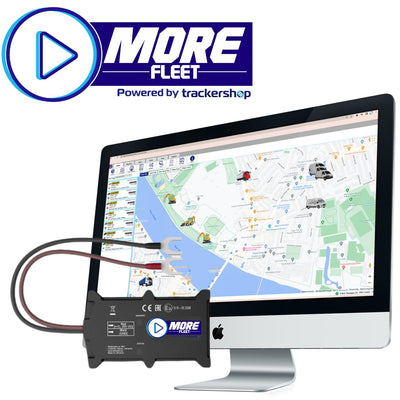
Missing an MOT or service deadline is a fast track to hefty fines, grounded vehicles, and compromised driver safety. What are the best practices for managing these vital dates? Effective MOT and service tracking ensures compliance, significantly reduces costly downtime, and extends the overall lifespan of your vehicles. Relying on whiteboards and paper diaries leaves far too much room for human error. By adopting automated fleet MOT tracking with MoreFleet, operators can secure their legal standing, streamline their operations, and keep their commercial vehicles on the road earning revenue.

The High Cost of Poor Fleet Maintenance
Operating commercial vehicles in the UK comes with strict legal responsibilities. The Driver and Vehicle Standards Agency (DVSA) enforces rigorous standards to keep roads safe. Failing to meet these standards carries severe consequences.
Driving a vehicle without a valid MOT invalidates your fleet insurance instantly. If a driver has an accident in an uncertified van, your company is fully liable for all damages and compensation claims. Furthermore, the police and DVSA use automatic number plate recognition (ANPR) cameras to identify non-compliant vehicles instantly.
Financial penalties for missing an MOT can reach up to £1,000 per vehicle. However, the hidden costs of poor maintenance are often much higher. A vehicle pulled off the road by enforcement officers disrupts your entire supply chain, damages client trust, and leaves your drivers idle.
Moving Beyond Manual Spreadsheets
Many small to medium fleets still rely on manual spreadsheets to track their compliance dates. This approach is highly vulnerable to human error. A single typo or a forgotten diary check can result in a missed inspection.
Spreadsheets also lack the ability to provide active notifications. A transport manager must remember to open the file, check the upcoming dates, and manually contact the garage to book a slot. This creates an unnecessary administrative burden that distracts from core business activities.
Upgrading to dedicated fleet maintenance software eliminates this friction. Automated systems send alerts directly to your email or smartphone weeks before a deadline approaches. This gives your team ample time to schedule the work without disrupting daily logistics.
Optimising Your Service Schedules
An MOT is a legal baseline for roadworthiness, but it does not guarantee optimal vehicle performance. To keep your fleet running smoothly, you must implement rigorous and proactive service schedules.
Time-Based vs Usage-Based Servicing
Traditional servicing relies on strict calendar dates, such as an annual check-up. While helpful, this method ignores the actual wear and tear a vehicle experiences. A delivery van navigating city traffic endures far more strain than a manager's car cruising on the motorway.
Best practice dictates moving toward usage-based servicing. This method triggers maintenance alerts based on actual mileage or engine hours. Tracking exactly how hard a vehicle works allows you to service it right before a component fails, rather than waiting for an arbitrary calendar date.
Telematics and Live Diagnostic Data
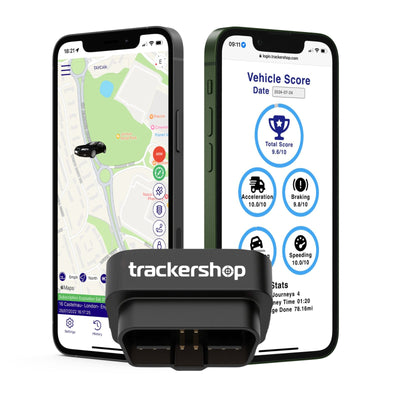
To achieve usage-based servicing, you need accurate data. Modern telematics devices plug directly into a vehicle's onboard diagnostic port. They read the exact odometer figure and monitor engine health in real time.
This live data feed completely removes the need for drivers to submit manual mileage readings. If a warning light appears on the dashboard, the system logs the specific fault code immediately. To see how live data transforms your administrative workload, explore the seamless fleet maintenance tools from MoreFleet and take total control of your service calendar.
Ensuring Bulletproof Vehicle Compliance
For heavy goods vehicle (HGV) operators, the stakes are even higher. Your Operator's Licence (O-Licence) depends entirely on your ability to prove continuous vehicle compliance.
The Traffic Commissioner expects operators to maintain a flawless, verifiable audit trail of all maintenance work. If your fleet is involved in a serious incident, authorities will seize your maintenance records immediately. Missing paperwork or gaps in your service history can lead to a public inquiry and the potential revocation of your licence.
Digitising your records creates an undeniable, time-stamped history of your compliance. When a mechanic completes a service or an MOT, the certificate is uploaded directly to the vehicle's digital file. This makes gathering evidence for a DVSA audit a simple, stress-free process that takes minutes instead of days.
Maximising Vehicle Lifespan and ROI
Commercial vehicles are substantial capital investments. Getting the maximum return on that investment requires keeping the asset in peak condition for as long as possible.
Regular, scheduled maintenance prevents minor wear and tear from escalating into catastrophic mechanical failures. For example, changing the oil at the correct interval prevents severe engine degradation. Replacing worn brake pads early stops them from damaging the much more expensive brake discs.
Furthermore, a well-documented service history significantly increases the residual resale value of the vehicle. When it is time to upgrade your fleet, buyers will pay a premium for a van or lorry that comes with a complete, digitally verified maintenance log.
Cultivating a Proactive Safety Culture
Effective tracking goes beyond software; it requires a proactive culture among your staff. Drivers are your first line of defence against vehicle defects.
Implement rigorous daily walkaround checks using digital applications. Drivers should inspect tyres, lights, and fluid levels before starting their engine. If they spot a defect, they can photograph it and upload the report instantly to the transport manager.
This immediate feedback loop allows the maintenance team to order parts and schedule repairs before the vehicle leaves the depot. It empowers drivers to take responsibility for their safety and ensures minor issues are fixed promptly.
Conclusion
Managing the maintenance schedule of a busy commercial fleet is a complex, high-stakes responsibility. Relying on memory, paper diaries, or disjointed spreadsheets is a risk no modern transport operator should take.
By embracing digital tracking, you guarantee your legal compliance, protect your drivers, and slash your operational costs. Proactive servicing keeps your assets earning money on the road rather than draining your budget in the garage.
Managing a fleet is challenging, but keeping it legal and fully operational does not have to be. Take the stress out of your administrative duties and guarantee your vehicle compliance by upgrading to the comprehensive MOT and fleet tracking solutions from MoreFleet today.